

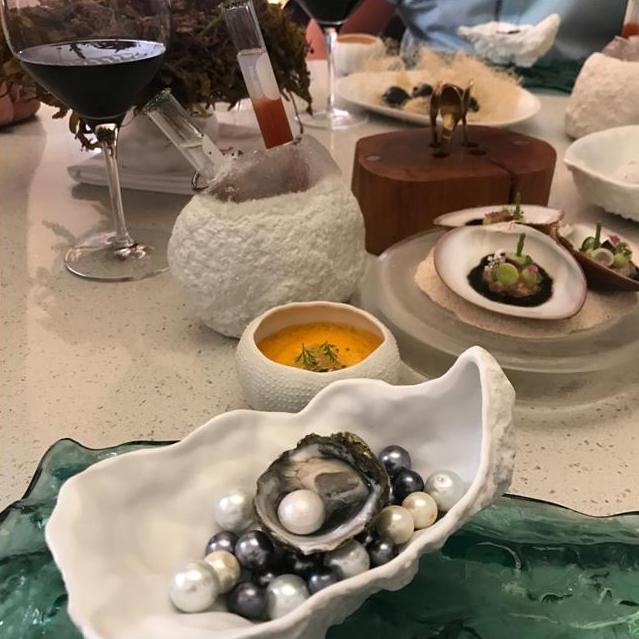
This restaurant with the ridiculous name is 45 minutes outside of Cancun in a faux hip hotel. As I entered, my expectations could not be lower. And then – BOOM! Chef Jonatan Luna lit up my senses with a three-hour master class in molecular cooking that hasn’t been seen since the glory days of Heston Blumenthal, Marc Veyrat, Grant Achatz and Ferran Adrià. Every dish was a combination, such as mushrooms with mole and pork belly; spider crab with corn and burnt habanero; and pozole with sea urchin.
Superb ingredients are then transformed into every manner of tower, foam and smoke you were sure had gone out of fashion. While these techniques are rarely seen these days, Le Chique reminds us why we enjoyed that theatre when it first came out. Stunning!
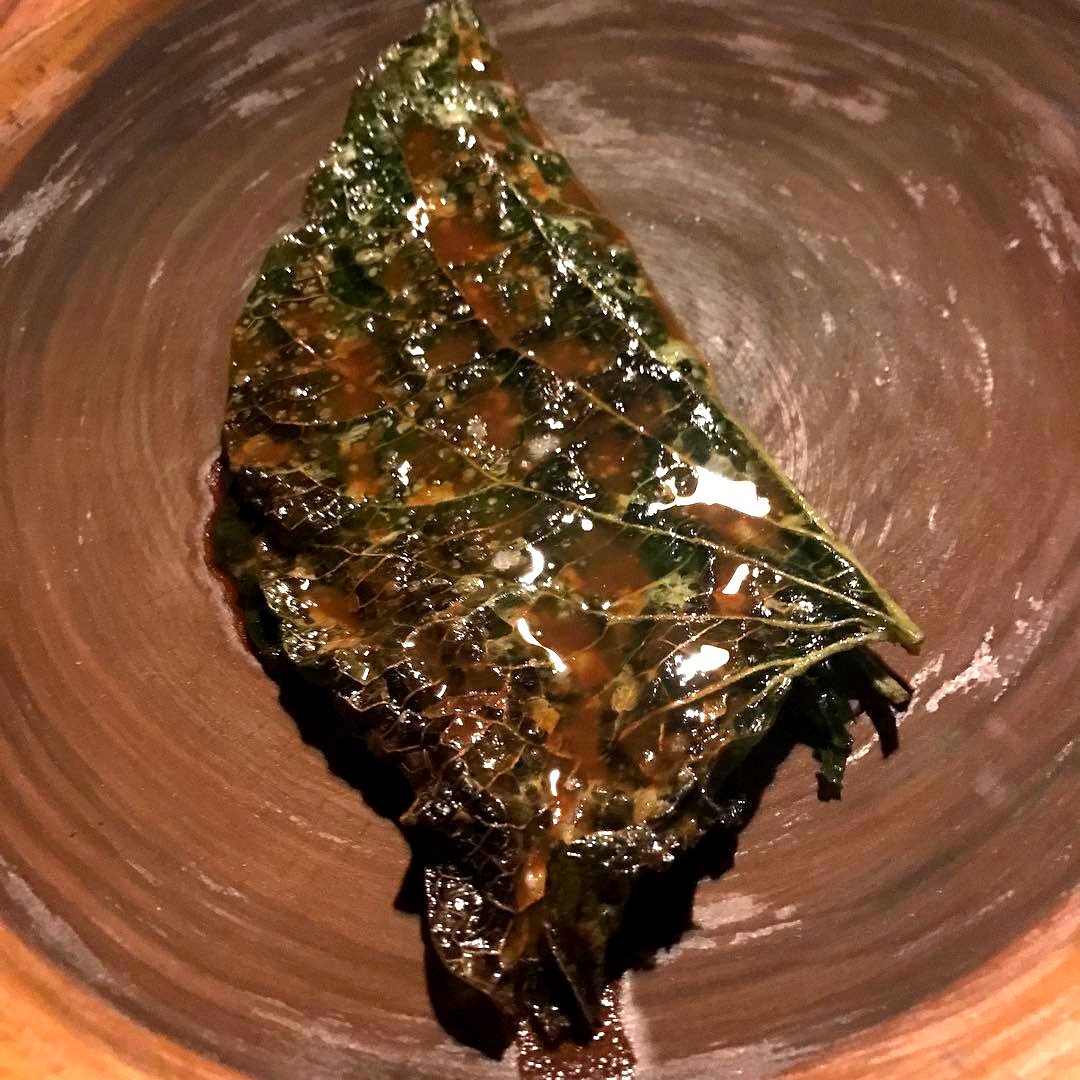
Noma chef Rene Redzepi’s seven-week pop-up in Tulum boasted the biggest kitchen I have ever seen in the middle of a jungle. A humble door gave entrance to a gorgeous, open-air terrace that led into a mammoth space where every dish on the menu had its own mini-kitchen and team. Despite the size, every corner seemed cozy. From Noma, one might have expected culinary fireworks. Instead, diners were served a parade of familiar Mexican dishes, like tacos, mole and lechón made from impeccable ingredients. Many dishes had unusual tweaks and flourishes, and everything was delicious and fun.
Hot weather and warm hospitality made this THE foodie experience of the year.
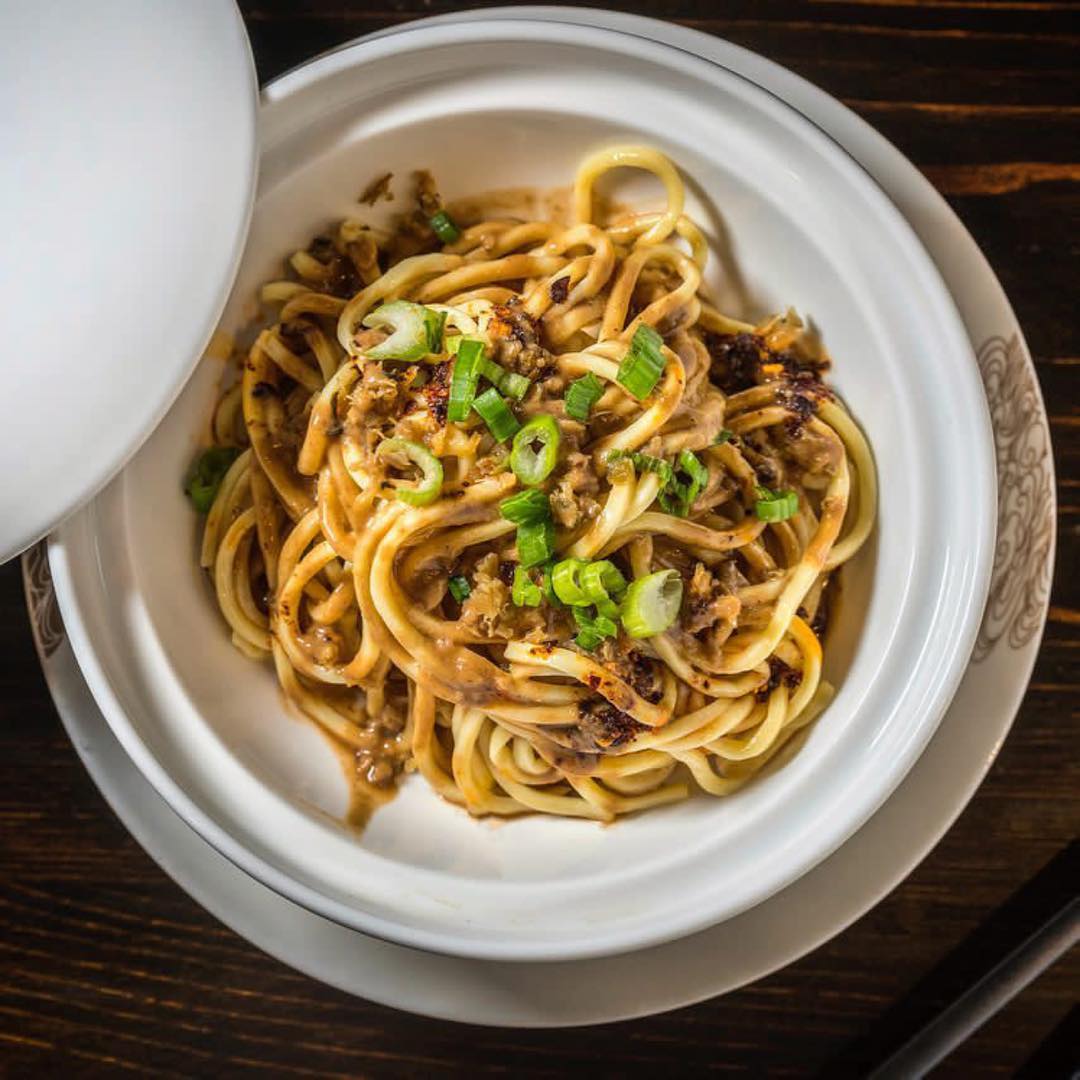
Take note, spicy cold sesame noodle fans. Chen Lieh Tang, son of legendary Chinese restaurateur and chef Yun Fa Tang, has resurrected his father’s Sichuan restaurant on East Broadway. At the original location, which opened in 1968, Chef "Shorty" Tang became famous for his chilled noodles, bathed in soy sauce, peanut butter, rice wine, black vinegar, chili, scallions and sesame oil. His signature velvety noodles were hailed as a taste bud explosion of sweet, spicy and tart. Sprawling across three floors in the family-owned building (formerly the Bank of China), the new restaurant is next door to the original Hwa Yuan Sichuan Inn, which closed in the 1980s. In addition to Shorty’s sesame noodles, the menu offers 80 dishes including Shanghai-style pork soup dumplings, Sichuan-style whole fish and a raw bar with oysters on the half shell, uni and shrimp cocktail. A feast for the eyes as well, the new dining rooms boost hand-carved doors imported from China, an onyx bar illuminated by an orange Spanish marble wall, and Chinese mahogany screens in the upstairs dining rooms.
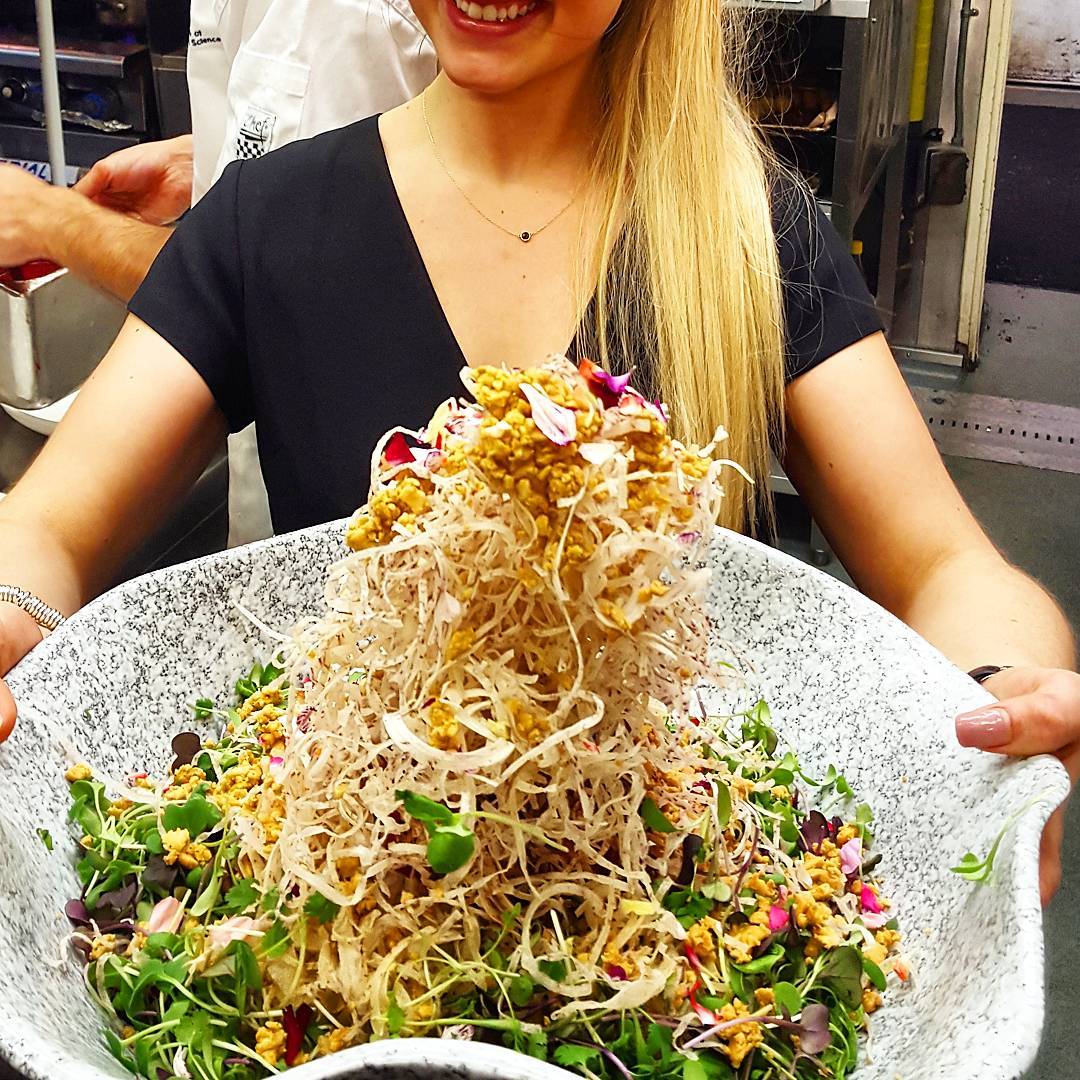
Balancing the epicurean traditions of China with the classical techniques of French cuisine, Chef Susur Lee has been hailed as one of the “Ten Chefs of the Millennium” by Food & Wine magazine. Diners crowd the hipster bar and chic dining room at his upscale restaurant on King Street West to dine on a delectable array of small-plate dishes. The signature dish at Lee Restaurant is the Singaporean-Style Slaw. This 19-ingredient salad is tossed tableside with rice vermicelli, exotic Asian herbs and vegetables, salted plum sauce and peanuts. Beautifully plated a mile high, a server explains each ingredient as they go along. Diners have the option, at an additional cost, to add sashimi of salmon, sashimi of charred tuna or Australian Wagyu beef to this already amazing dish.
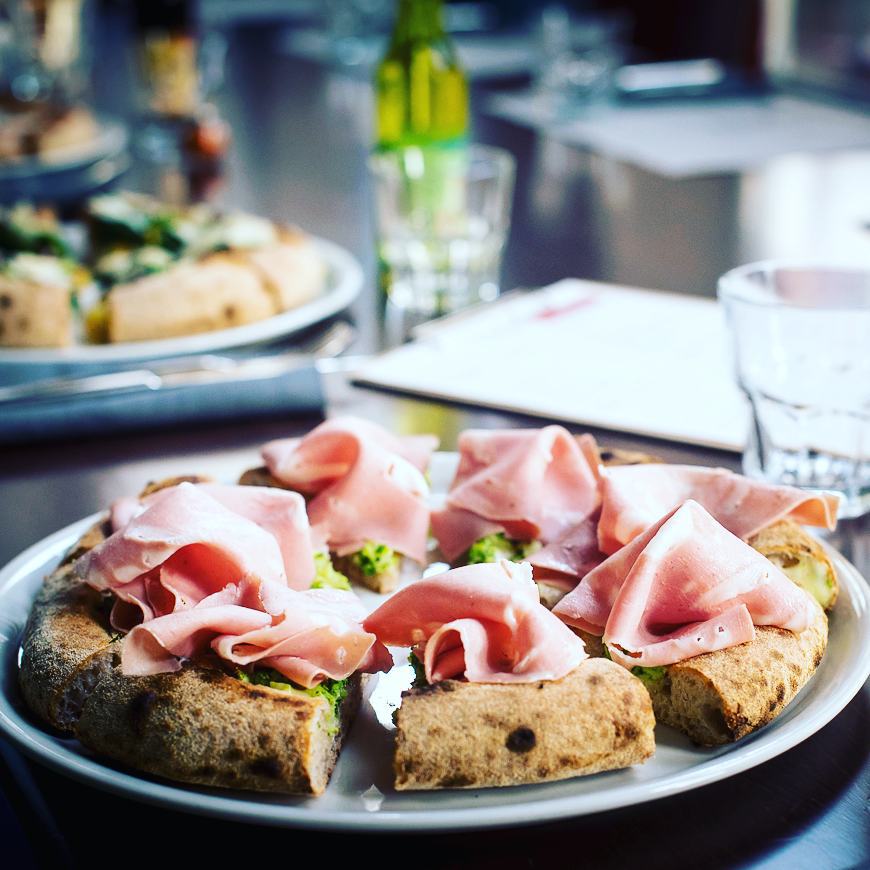
If it’s decently priced pizza you’re after, the low-rise sourdough crusts and organic ingredients make this central eatery a stand-out. Opened in 2013 by brothers Matteo and Salvatore Aloe, pizza aficionados flock to their 60-seat eatery to eat top-notch gourmet pies served bubbling hot from the open kitchen’s wood stove. Tomatoes are sourced from select farms in Puglia and the mozzarella di bufala hails from Caserta, Campania). Organic products are also on sale in the restaurant’s shop.
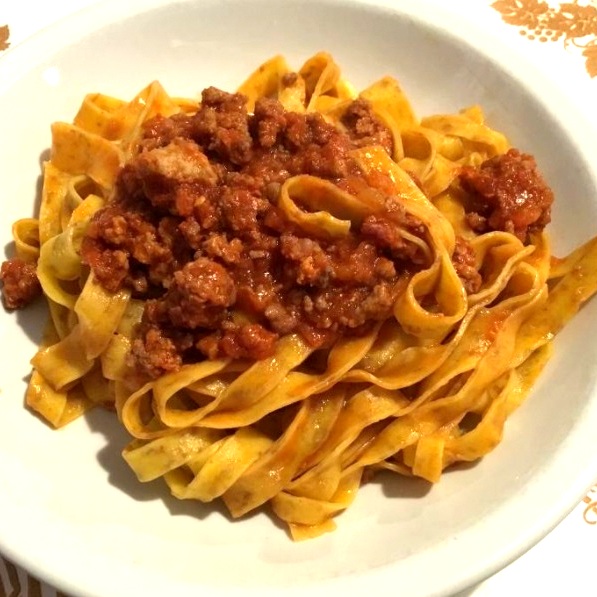
Open since 1898, this humble, family-run trattoria is known for its specialities typical of the Emilian capital. The ancient interior is a kaleidoscope of wood, old photos and newspaper articles, sports memorabilia and the three Balanzone, Fagiolino and Sganapino clay puppets. Murano lamps and old, dark bottles are scattered everywhere above the beams that cross the ceiling. Below, the eatery dishes up such comfort fare as tagliatelle al ragù and polpettine con piselli (meatballs with peas). The presentation is unpretentious, prices are low, portions are ample, and everything is made by hand.
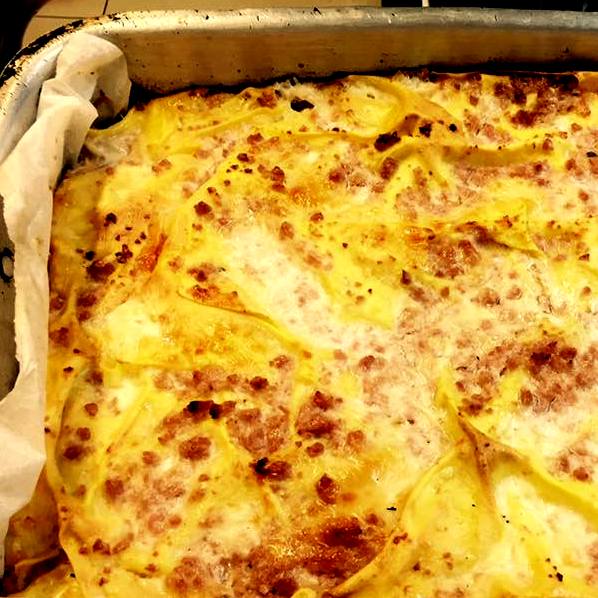
Whether inside amid the white stucco walls with framed photos and knick-knacks or under the porticoes out front, diners flock to this simple restaurant for locally sourced dishes, from fried squash blossoms to homemade ricotta-walnut cake. All pastas are made in-house, from flawless tortellini to the house speciality: lasagna alla Bolognese. Served once a week, the dish layers three kinds of meat in a lighter-than-air béchamel. Or try one of the other lasagna variations that follow the seasons. Fans rave about the pumpkin-mushroom version.
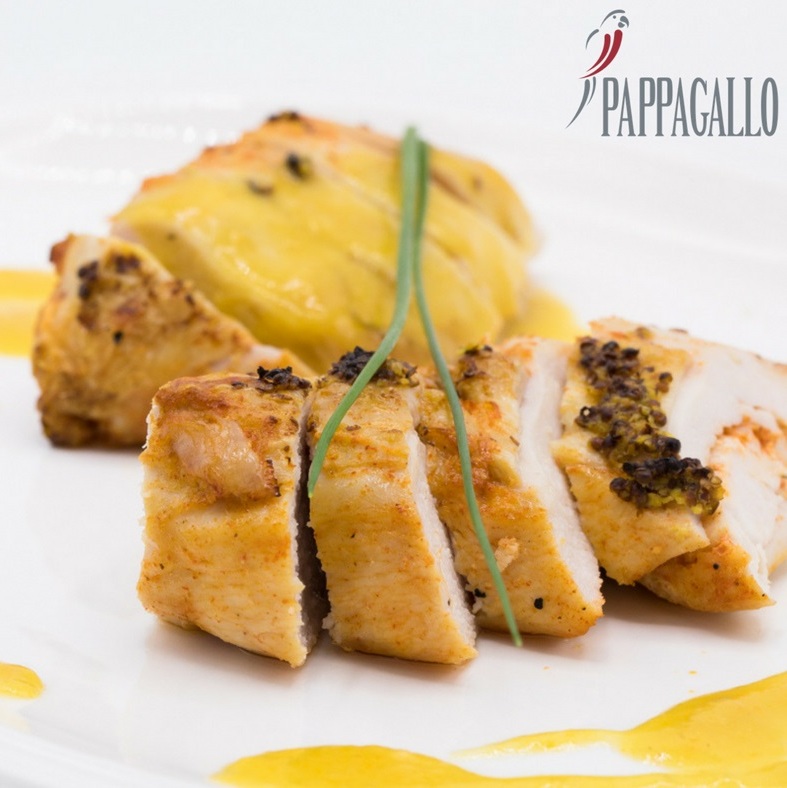
Housed in an 18th-century building in Bologna’s historic centre, “The Parrot” is more than a century old. And while the crisp white linens and tuxedoed waiters may seem a throwback, this gastronomic icon in a palazzo by the two towers doesn’t rest on its laurels. The kitchen makes all its pasta in-house and keeps it fresh with contemporary twists on the regional cuisine, such as tender Iberian pork cheek nestled on butternut squash with coffee-flavoured tagliatelle. Classics, such as the legendary spinach-tinted lasagna or saffron tagliatelle, are treated with equal reverence. And don’t miss the mascarpone for dessert. During warmer months, the arcade’s outdoors tables are filled with diners enjoying the weather and people watching.
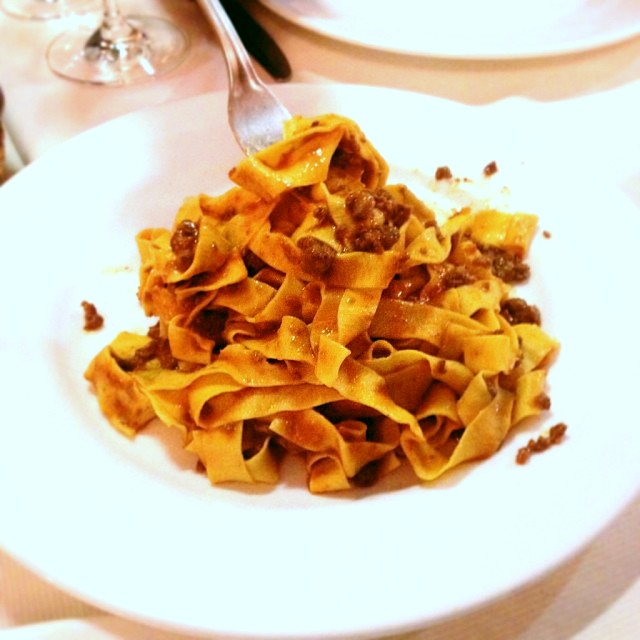
This charming restaurant in central Bologna is housed in an old pharmacy and has kept all of the charms from the previous occupants, right down to the wooden shelves lined with glass apothecary jars. In charge since 1994, owner Emanuele Addone warmly greets guests, insisting they try his first-press olive oil from Lucca or dainty tortellini in a rich capon broth. Don’t come here for a quiet, candlelit evening. This is soulful cooking at its best, respecting traditional Bolognese cooking with a dash of some of the greatest flavours from the rest of Italy. The shelves also hold great wines from the Emilia Romagna region. Showered with well-deserved recognition, this little restaurant has been visited by such big personalities as Arnold Schwarzenegger, Danny de Vito and Francis Ford Coppola. Addone personally waits on customers, offering insight into the origins of flavours, ideas behind the dishes, and the best wine to accompany each meal.
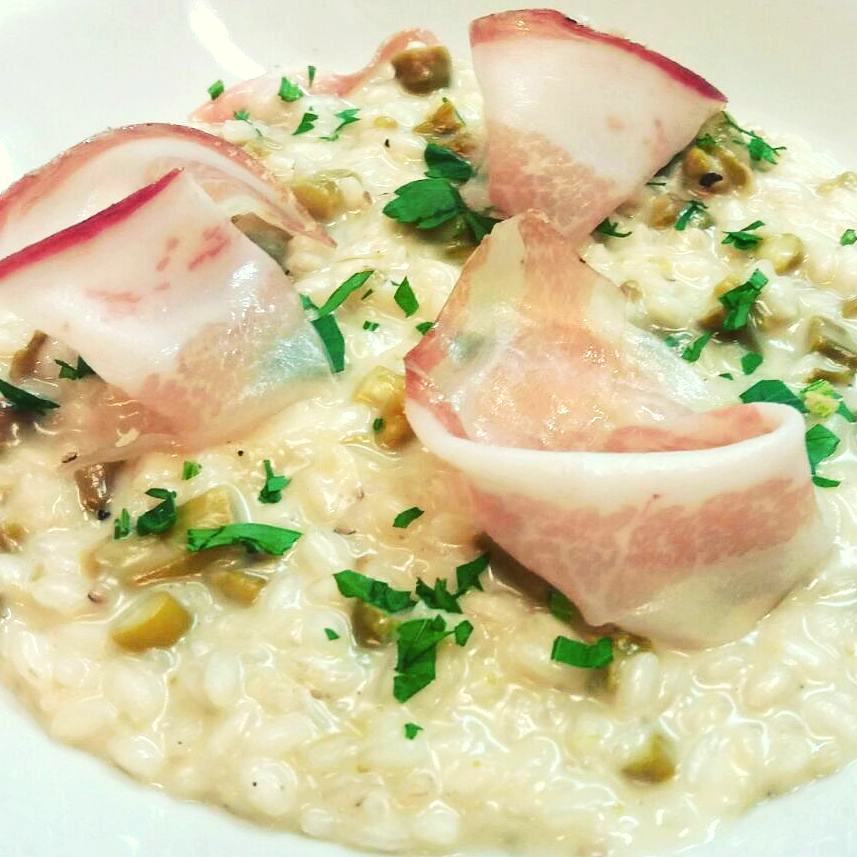
At Sette Tavoli (seven tables) close to Teatro Duse, Chef Marco Spanghero highlights a different region of Italy each month. A northeastern Friulian menu might feature porcini risotto or venison braised with cinnamon, while a central Italian Umbrian meal might highlight young rabbit with hazelnuts, foie gras and bitter chocolate. Wine bottles line the walls, and the restaurant’s cellar features labels that span the country. Each table is named after a famous writer.
Pro tip: Ask to sit at an outside table, under one of the restaurant’s arches.